

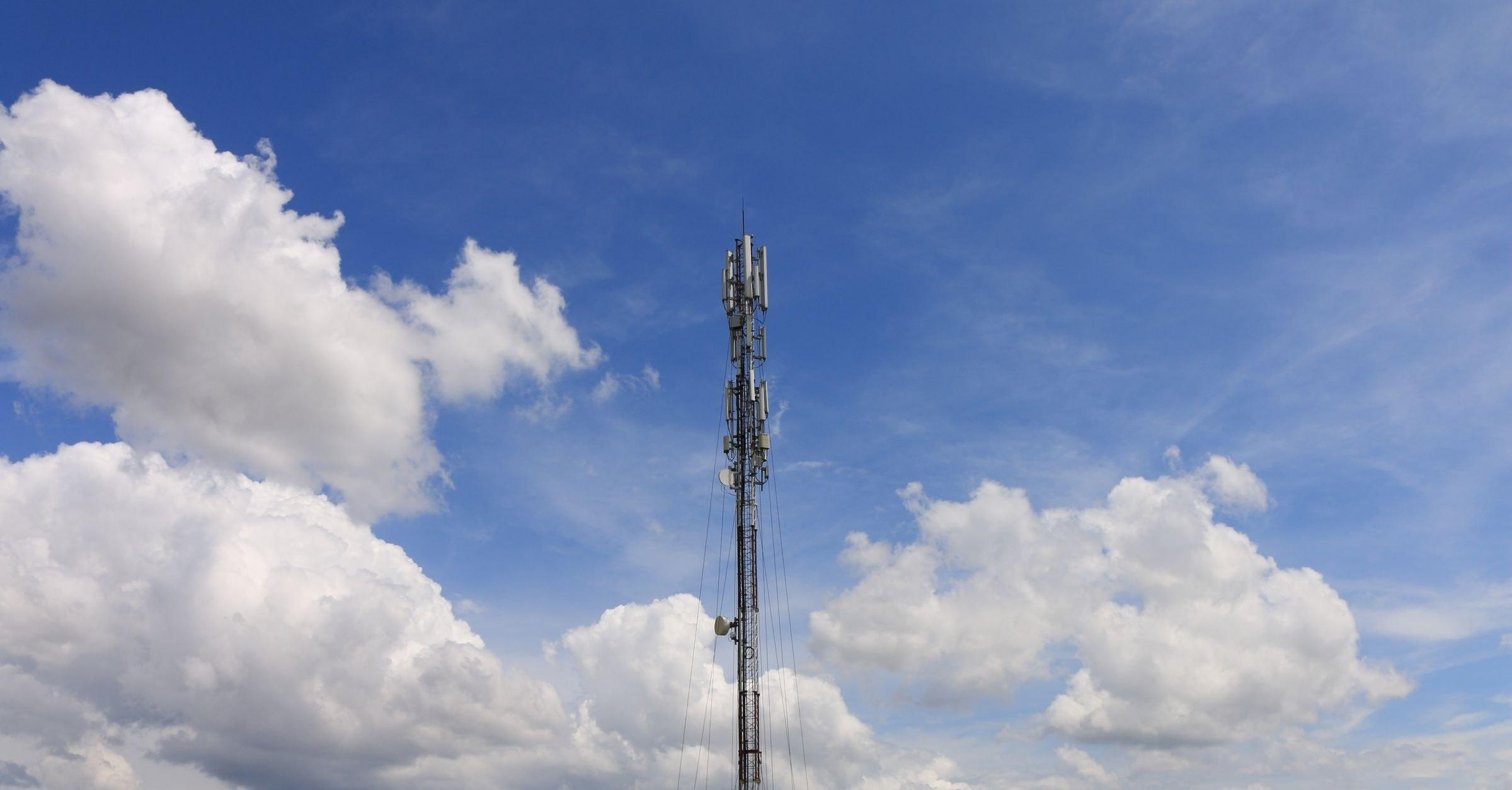
Telecom
Kenya's telecoms serve 60 million subscribers and process $314 billion in M-Pesa transactions annually. The infrastructure managing that at scale is under pressure from every direction.
Fraud is taking 40% of revenue. Churn is driven by billing disputes and broken customer journeys. Regulatory compliance requires real-time operational data that most operators cannot produce on demand. Kitsilano is Kenya's only AWS Advanced Partner building the cloud and data infrastructure East African telecoms need.
East Africa telecoms, by the numbers
The Challenge
Three operational pressures every East African telecoms operator is managing right now.
Fraud, eKYC, and AML exposure at telecom scale
SIM swap fraud, bypass fraud, and international revenue share fraud are costing East African operators an estimated 40% of revenue, and the same identity gaps that let a SIM swap succeed in minutes let unverified agents and subscribers move money through mobile wallets with almost no scrutiny. Detection systems built for call detail records were never designed to also catch weak eKYC onboarding or the transaction patterns anti-money laundering monitoring is supposed to flag. An operator running fraud, eKYC, and AML as three disconnected problems is fighting one threat with three incomplete tools.
No real-time observability across the network
Network events, service degradation, and infrastructure failures typically surface in morning reports or customer complaints, not the moment they happen, because Network Operations Center (NOC) teams work from disconnected monitoring tools instead of one unified view. When a node degrades at 2am, the first sign is often a spike in complaints the next day, not an alert the moment it started. Full-stack observability across the network, Business Support Systems (BSS), and Operations Support Systems (OSS) is what turns that lag into a page before the customer ever notices.
Customer support that can't see the whole subscriber
A support agent handling a billing dispute or a network complaint typically cannot see the subscriber's full history across prepaid, postpaid, mobile money, and data in one place, so every call starts with the customer repeating themselves. Automated phone menus wear the customer down before they even reach someone who can help, and that is a big reason most East African operators score so poorly on customer satisfaction. Unified support with full subscriber context turns a frustrated call into one resolved on the first try.
"The telecom operator that can detect a SIM swap fraud in seconds, resolve a billing dispute in minutes, and predict network congestion before it happens, has built the infrastructure advantage that cannot be easily replicated."
East Africa Telecoms Sector Outlook
What's Possible
The operators who win the next decade will run on real-time intelligence, not overnight reports.
Picture a SIM swap flagged and blocked in the seconds it takes to attempt, not the hours it takes to notice, and a new mobile money customer verified with identity checks that catch a bad actor before the account is ever opened. Every network event, every fraud signal, and every subscriber's full history sits in one place the moment it happens, not scattered across systems nobody has time to reconcile.
A single data and AI layer sitting on top of that flags a degrading node before customers notice, gives a support agent everything about a subscriber before they finish saying hello, and catches a fraud or money-laundering pattern the moment it forms instead of after the loss is booked. None of that is speculative, it is what connected, cloud-based operators already do, and it matters more than ever as 5G brings data volumes that make yesterday's disconnected tools obsolete.
Kitsilano builds that platform, the fraud, eKYC, and AML detection that closes the gap fraudsters exploit, the observability that gives network teams one real-time view instead of five, and the unified subscriber context that turns support from a guessing game into a resolution. The operators who get there first are not just fixing today's friction, they are building the intelligence layer their competitors will spend years trying to catch up to.
How It Works
From siloed OSS/BSS data to a real-time network intelligence platform.
Every operator has different systems and different priorities. We start with your environment, your BSS, your OSS, your fraud exposure, and your Communications Authority (CA) obligations, and build a roadmap that delivers results at each phase.
Phase 1
Network data platform
We centralise OSS and BSS data in a cloud data platform, giving network operations teams a real-time view of performance, congestion, and service quality across every node. Network events that used to surface in morning reports are visible as they happen.
Phase 2
Fraud detection
Machine learning models trained on call detail records identify SIM swap signatures, IRSF patterns, and bypass fraud in real time, closing the detection window from hours to seconds. Revenue that was leaking through fraud detection gaps stops leaking. The models improve continuously as new patterns emerge.
Phase 3
Customer experience
We deploy unified customer journey management across all channels, voice, data, mobile money, and digital self-service, so every agent has the full customer context before the first word is spoken. Billing disputes resolve faster because the data is always available. Churn prediction models identify at-risk subscribers before they port away.
Phase 4
Regulatory compliance
Automated reporting on QoS metrics, coverage data, and regulatory KPIs is built from the centralised operational data platform, eliminating manual assembly and the errors that come with it. When the CA asks a question, the answer is ready. When a benchmark period closes, the submission is already prepared.
What We Deliver
Six capabilities purpose-built for telecoms operators.
Cloud infrastructure
Scalable AWS infrastructure for BSS, OSS, and network management systems, with the performance and availability that a 60-million-subscriber network demands.
Learn moreData analytics
Real-time dashboards on network performance, subscriber behaviour, and revenue data, built for both operations teams and the C-suite.
Learn moreGenerative AI
AI-driven fraud detection, churn prediction, and network anomaly detection running on CDR and network event data at telco scale.
Learn moreZendesk customer support
Unified customer journey management across all channels with full subscriber context, reducing handle time, improving NPS, and cutting churn.
Learn moreeKYC
Biometric verification, document checks, and liveness detection at SIM registration and swap requests, closing the identity gap fraudsters exploit.
Learn moreDatadog network monitoring
Full-stack observability across network infrastructure, real-time alerting, distributed tracing, and performance dashboards for NOC teams.
Learn moreCommon Questions
Frequently asked questions
The strongest prevention starts before the fraud attempt happens: strong eKYC at SIM registration and swap requests, biometric checks, document verification, and liveness detection, makes it far harder for a fraudster to impersonate a subscriber in the first place. Layered with real-time monitoring on call and transaction patterns, that combination catches fraud before it succeeds rather than after the loss is already booked.
Full-stack observability brings network, billing, and operations data into one real-time view, so a network operations team sees a degrading node or a service disruption the moment it starts instead of finding out from customer complaints the next day. That same visibility feeds directly into faster, more accurate regulatory reporting, since the data used to catch problems early is the same data operators need to answer to the Communications Authority.
Generative AI trained on network, customer, and transaction data can summarise support interactions, draft customer communications, and flag anomalies across fraud, network, and billing data at a scale no manual team can match. Kitsilano builds these models on top of a unified data platform, so every use case draws on the same underlying intelligence instead of a one-off tool bolted onto legacy systems.
Customer 360 unifies a subscriber's prepaid, postpaid, mobile money, and support history into a single profile, so an agent handling a call or a system flagging churn risk sees the complete picture instead of one fragment of it. For operators managing tens of millions of subscribers across multiple product lines, that single view turns support and retention from guesswork into a repeatable process.
Get Started
Talk to our telecoms team
Leave your details and someone from our team will reach out within one business day. We will start with your current fraud exposure, your regulatory compliance posture, and what a realistic cloud transformation roadmap looks like for your network.